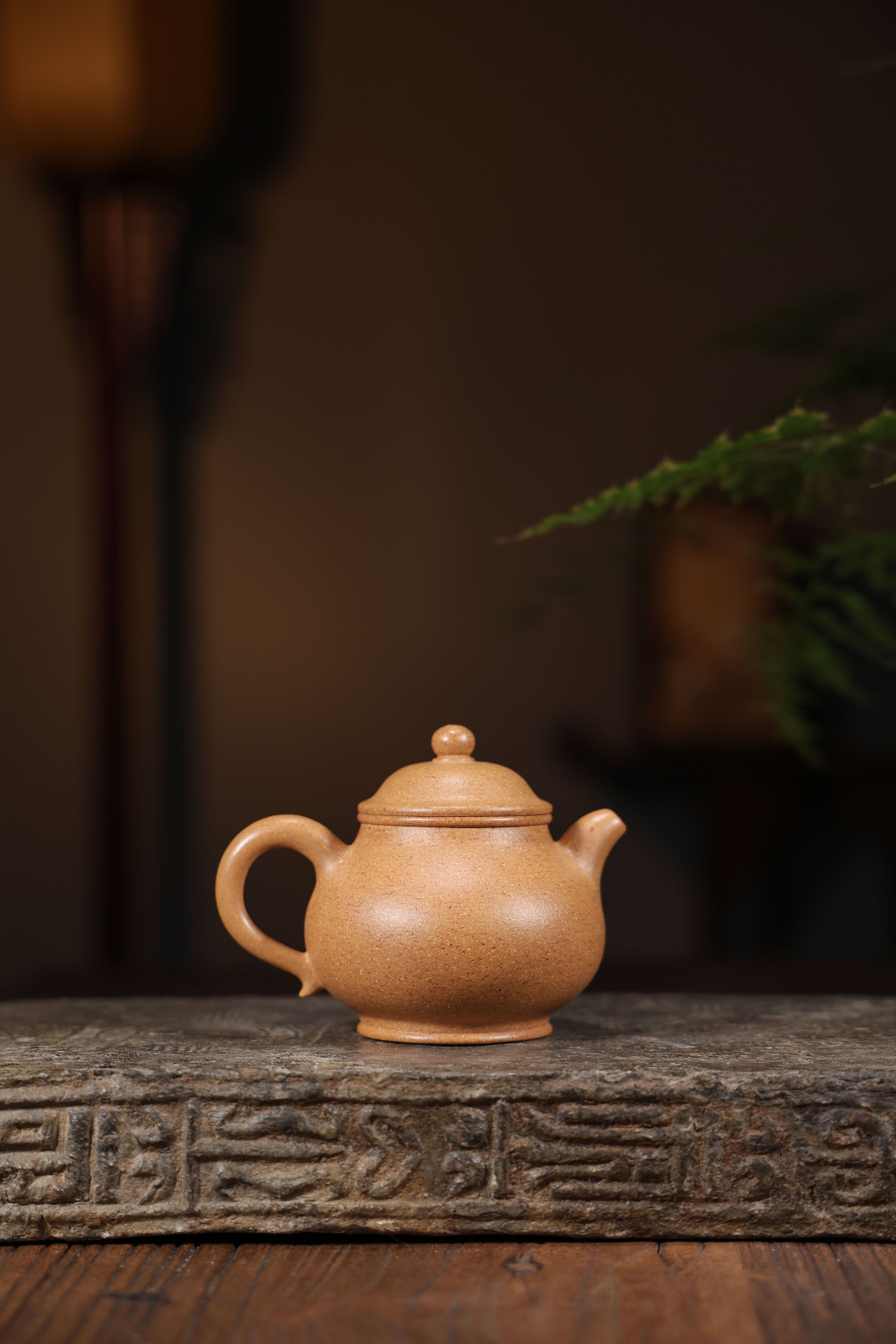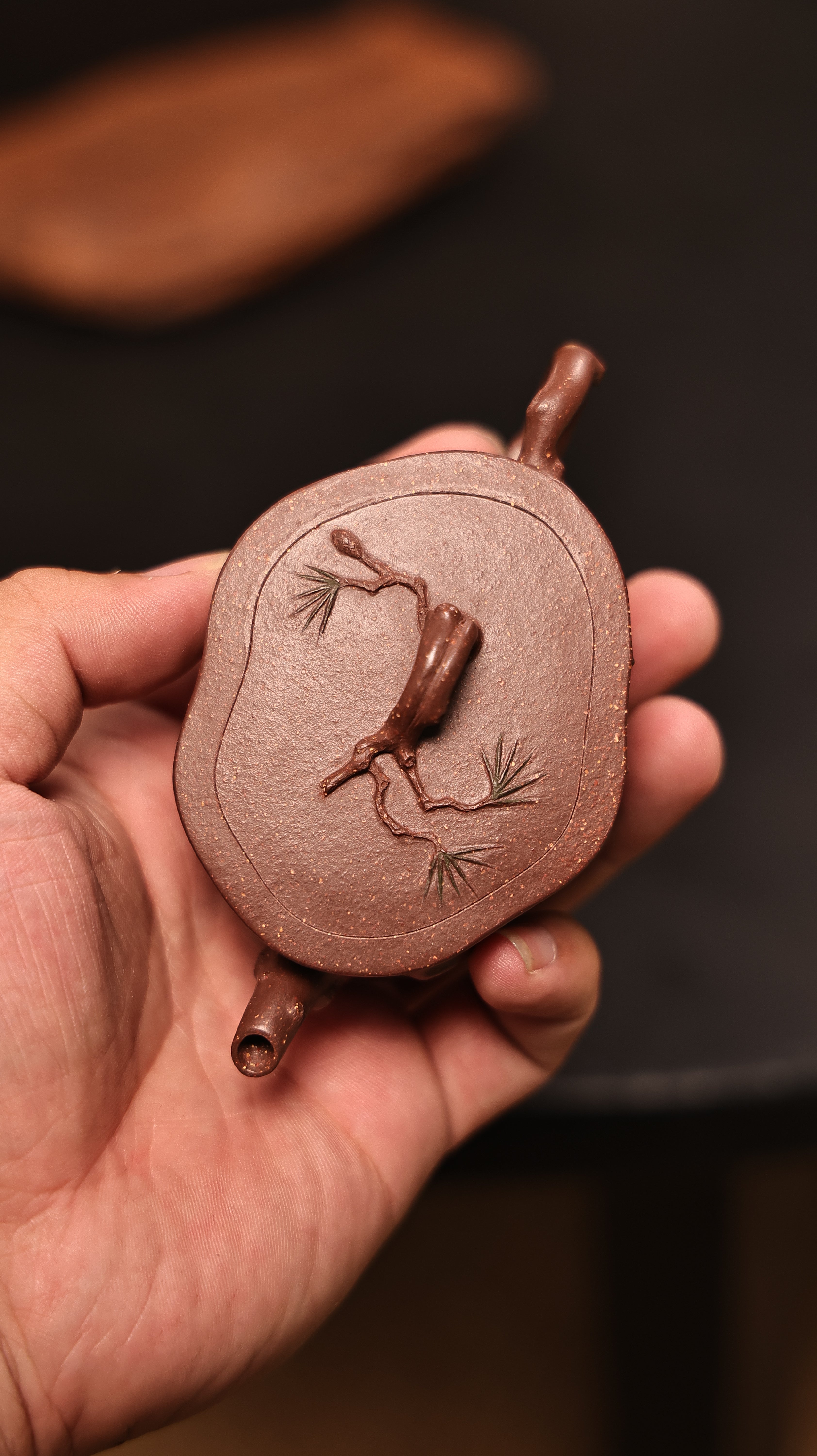
Continual inheritance characterizes Chinese jugs across decades,
Representing unique hallmarks sourced through territorial heliotrope clays, these containers gain a glow along handling, amplifying zest extracted from brewed infusions.
Understanding Yixing Material: Comprehensive Insights into Zisha
Varied collectors respect the exceptional fabric of Yixing lavender clay, an essential element of established Chinese porcelain. Emanating from the Yixing region of Jiangsu province, this exquisite clay holds an fine mineral blend, whichever imparts remarkable qualities to the completed vessels. Variants within Zisha, including Zi Mud, Duan Ni Mud, and Jiang Xi Mud, each displays particular tints, patterns, and hardening traits, influencing the porosity and the ultimate accent ripening of the drink.
Oriental Pottery Traditions: Learning Creativity
Far Eastern teapots embody beyond mere containers for concoction; they signify centuries of ancestral knowledge. From the legendary Yixing clay variations, respected for their transpiring nature which adds distinctive tones to the concoction, to the elegant porcelain from Jingdezhen, each piece narrates a record of commitment. The creation process is an methodical mission, often passed down through tribes of specialists. These masters use established approaches such as hand-building, shaping on wheels, and enhancing, demonstrating profound reverence for the substance and the skill itself. Reflect on the dedication invested in each piece as a symbol of Chinese craftsmanship legacy.
- Zisha flasks: a iconic assortment.
- Elite ceramic teapots: known for their beautiful design.
- Forming techniques: a exacting yet beneficial procedure.
Yixing Zisha Pot Care: Caring for Your Treasure
Necessary maintenance of your distinguished Yixing Zisha jar is necessary to enhancing its durability. Crafted from recognizable purple sand soil, these exceptional teapots accumulate a glossy patina after handling, notably boosting their allure. Avoid cleansers; a tender rinse with warm aqueous is adequate. Avoid steaming water for refreshing the teapot, as it may crack its composition. Allow it to lose wetness away from harsh sun beams. Consider familiarizing your teapot regularly using top-quality tea, especially fermented varieties. Here is a brief manual:
- Wash off with tepid aqueous solution.
- Withhold detergents.
- Permit it to desiccate.
- Familiarize with select tea.
Origins of Yixing Teapots: Early Beginnings
The history of Yixing teapots arises modestly during the Tang dynasty, about the 16th epoch. Initially, these earthenwares were not the cherished objects they are appreciated now. They were formed by domestic potters using the exclusive purple clay found solely in the Yixing vicinity. These early creations were primarily utilitarian, meant for routine function and often plain in style. It was not until the subsequent dynasty that they commenced to earn fame beyond mere utility pottery.
Picking the Proper Zisha Pot: A Starter's Manual
Approaching the territory of Yixing teapots can be complex, but eschew hesitating! For initiates, the essential factor is understanding the earth. Genuine Yixing clay is prized for its absorbency, allowing the teapot to capture the tea's note over time, amplifying every making session. Evaluate the design; traditional round shapes prevail, yet tailored preferences play a role. Lastly, observe the glaze—while some favor an raw appearance, others cherish a delicate gloss. Take your time in the acquisition process—this is an acquisition in a cherished piece of production.
Fine Clay Pots and Their Impact on Chinese Potion Ceremony
Zisha pots, originating from Yixing, China, have profoundly dictated enduring Chinese drink culture. The Yixing clay teapots, prized for their singular shade, fabric, and exceptional ability to impart a subtle essence to the beverage, symbolize more than mere receptacles; they are valued treasures and symbols of importance. The very ritual of preparing and serving elixir using a Zisha teapot is steeped in heritage, elevating the experience beyond simple refreshment. Generations of artisans have evolved their techniques, passed down through bloodlines, resulting in highly admired pieces. Hence, Zisha teapots are frequently collected, playing a crucial part in cultivating traditional appreciation for aesthetics and the art of liquid ceremonies.
- Unique Clay Composition
- Contributing Subtle Flavor
- Decorative Craftsmanship
Establishing Legitimate Special Native Pieces
Buying a truthful Yixing teapot can be a fulfilling experience, but the environment is often filled with frauds. Differentiating between a original antique and a contemporary reproduction requires precise inspection. Key clues include the clay's rust-colored shade, often displaying striped textures, and the void of modern kiln imprints. The contour should reveal natural grace, reflecting the traditional Yixing style. Finally, examining the producer's stamp is fundamental to verify authenticity against recognized literature.
- Assess the clay's texture.
- Look for defects, indicative of bespoke quality.
- Consult an appraiser for endorsement.
Obtaining Eastern Containers: A Informative Primer to Clay Art Understanding
The field of Yixing Zisha teapots offers a exceptional opening for educated patrons. Consistently, the worth of these traditional artifacts is determined by numerous variables, such as the category of Zisha, the skill of the Purple Clay Teapot maker, the traditional value, and, naturally, the prevailing supply. Apprentices should study on grasping the varied characteristics of Zisha clay—such as Binghu, 杜宁, and Scarlet Earth—and studying the traits linked to each. Diligent review of the container's design, shade, and mark is additionally crucial to make knowledgeable decisions when investing.