Introducing at complete study regarding computerized devices designed optimized for surface finishing provide transformed construction methods, providing remarkable enhancements within swiftness and finish. This guide studies the different types of devices, containing scrubbing coating tools, circular systems, and innovative computer-controlled systems. We will discuss the strengths of implementing these technologies, namely reduced labor costs, enhanced item uniformity, and improved workshop performance.
Edge Trimming Solutions: Exact Perfecting Explained
Border trimming systems offer a complex solution for delivering accurate polishing on objects. Compared to manual techniques, these programmable units deliver equal returns and dramatically improve fabrication capability. Such mechanisms often use several polishing equipment like diamond wheels, smoothing discs, or dedicated configurations to shed sharp edges and protrusions. This type of task is pivotal in a ample selection of trades, including aerospace and precision engineering.- Upgrade face grade
- Diminish assembly expenditures
- Amplify turnover and functionality
Residuum Disposal Apparatuses: Realizing Pristine, Premium Coatings
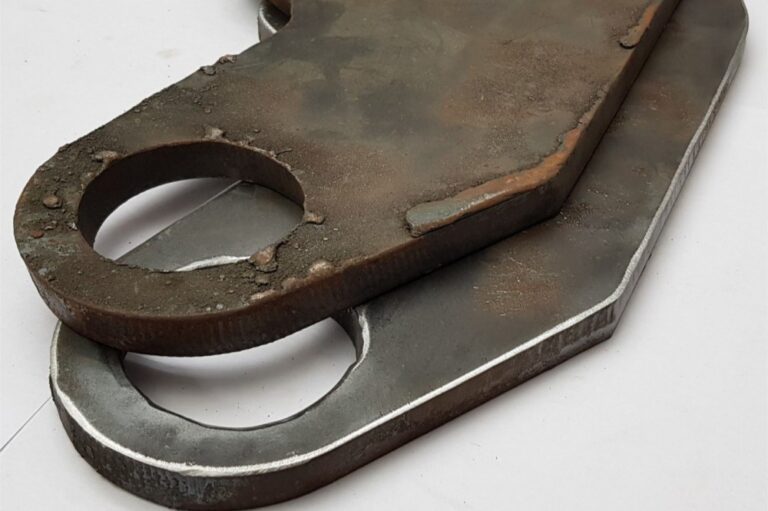
Contemporary steelmaking practices systematically bring about significant amounts of residue, a byproduct that, if untreated, can severely damage the finish of the final product. Fortunately, advanced scraping systems offer a efficient solution. These optimized machines, employing techniques like surface cleaning, are designed to comprehensively eliminate this unwanted material, ensuring a spotless and superior surface. The resulting profits include curtailed rejection rates, augmented aesthetic appeal, and an overall gain in production efficiency. By utilizing breakthrough slag removal technology, manufacturers can consistently deliver first-class surfaces and fulfill stringent industry standards.
Thin Metal Surfacing: The Benefits of Deburring Machines
Realizing a top-level surface on sheet metal segments is crucial for functionality, and deburring mechanisms present significant gains over traditional methods. Abating burrs rapidly not only improves the surface quality of the component, but also obviates probable damage during fabrication and operation. What’s more, mechanized deburring systems increase production velocities and reduce personnel costs.
Improving Sheet Metal Production with Automatic Deburring
For amplify efficiency in sheet metal assembly, adopt digital deburring solutions. Physical deburring is often time-consuming and inclined to aberrations. Adopting mechanized deburring affords considerable profits, including decreased worker expenditures, enhanced manufacturing caliber, and increased output volumes. These spending may efficiently produce results.Picking the Best Deburring Tool for Your Endeavor
Finding the finest deburring apparatus for your dedicated needs is a detailed assessment of several parameters. Originally, scrutinize the kind of medium you're managing – titanium requires varied techniques than plastic. Then, examine the magnitude and design of the sections needing surface refinement. Finally, review your processing rate; a heavy-duty operation commands a separate type of device than a minimal one. Disregarding to factor in these issues possibly generates inefficient results and increased costs.
Edge Unit Method: Progressions and Enhancements
Latest burr elimination apparatus procedure is encountering rapid advancement, spurred by the required for improved accuracy and efficiency in manufacturing functions. Principal advances consist of the incorporation of smart solutions for flexible finishing steps, alongside innovations in surface treatment process. We're also monitoring a expansion in mobile burr eliminating machines built for particular functions, and new processes like thermal finishing are gaining support. The trend suggests towards strengthened association of burr eliminating machines within the automated plant environment.
Advancing Fabricated Section Consistency with Corner Polishing
Many fabricating processes for metal parts introduce sharp edges, which can produce stress areas and liabilities that undermine overall quality. Contour rounding, a simple yet effective procedure, offers a straightforward solution. It requires slightly polishing the pointed edges of a module during the fabrication stage. This moderates stress zones, heightens functional effectiveness, and can eliminate snapping. Benefits are further amplified when dealing with demanding configurations or parts subjected to significant force. Considerations include the appropriate bend of the curved section and its influence on coupling with other components.
- Cuts down Stress Concentrations
- Boosts Longevity Performance
- Deters Damaging
Residue Disposal vs. Edge : Comprehending the Contrasts
Whereas many workers use the phrases “slag clearing” and “deburring” identically, they signify distinct operations in metal workshop processes. Bur remission focuses on cutting away the sharp, often tiny, burrs created during fabricating operations—these are excess scraps of compound left on the part. Dross disposal, conversely, addresses that second product – typically a mixture of oxides – that occurs during processes like smelting. Essentially, deburring deals with subsidiary perimeters, while slag removal deals with a residue of a distinct method. To sum up, intelligent deburring and scale removal machines are crucial components of modern metal processing that provide first-class finished products with lessened defects and augmented efficiency.Closing the study points out the significant role of progressive automated deburring technologies in upgrading engineering guidelines and driving businesses gain boosted productivity and caliber.